Licensed & Insured Drying Pros
Calls go to independent local drying contractors who carry their own license and insurance. Many are IICRC-trained in the S500 water standard, so ask for credentials when they arrive.
Fast Local Equipment Dispatch
Drying is a race against wicking, so we prioritize contractors with dehumidifiers and air movers already loaded. Many arrive within the hour, though that depends on distance and storm volume.
Upfront Written Drying Scope
Before the first fan spins, the contractor writes up the drying plan, the equipment count and the rate structure. That written scope heads off disputes over equipment days later.
Meters, Imaging & Data Loggers
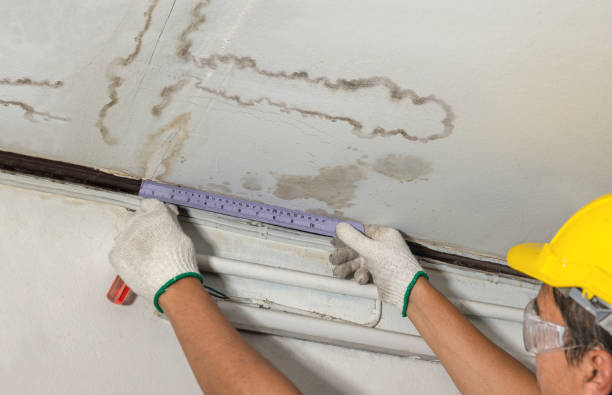
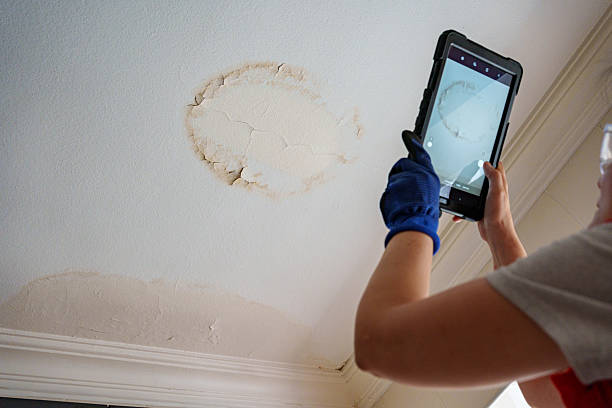
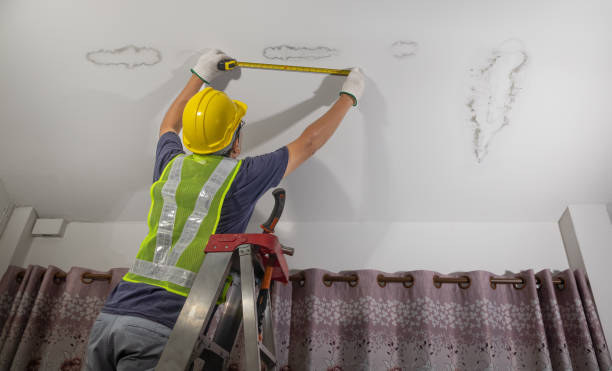
Pin and pinless moisture meters, thermo-hygrometers and thermal imaging cameras are the core kit. Those tools turn a guess into a dated moisture map.
A familiar call goes like this: the leak got fixed, the floor feels fine, and yet the room smells musty a week later. Almost every time, the moisture is still sitting in the bottom plate, inside the wall cavity, or in the subfloor beneath the pad. Finding and pulling out that hidden moisture is the whole job of a structural drying contractor.
We also hear from people worried about the noise and the power bill. A typical setup runs several air movers and one or two dehumidifiers around the clock, and the contractor should check circuit loads before plugging everything in. Running it right for a few days costs far less than replacing cupped flooring, delaminated cabinets or moldy drywall later.